
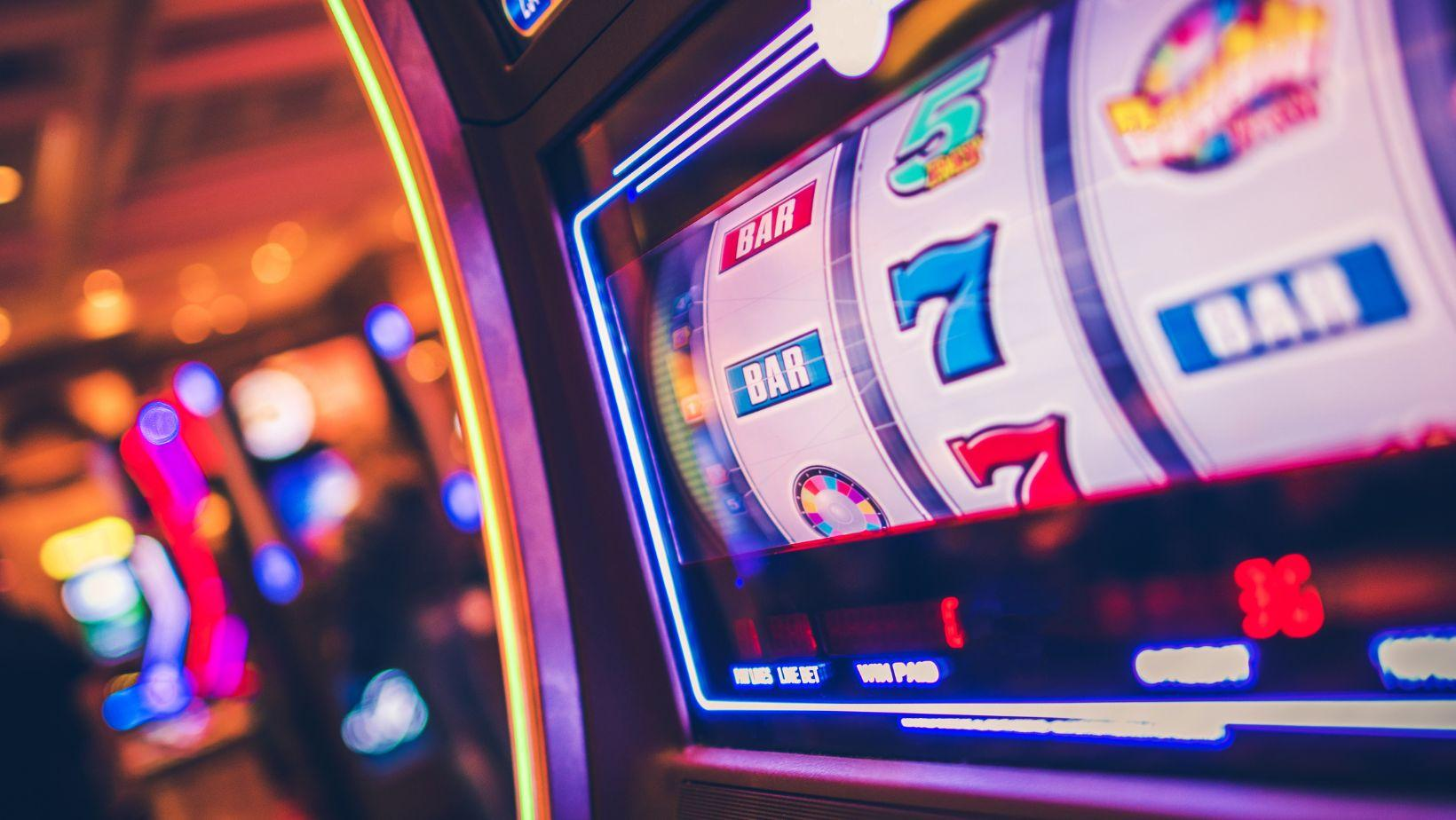
Jackpots don’t triple overnight by accident. The 300% prize increase happening right now at SpinBet is the visible tip of roughly 130 years of mechanical, electrical and algorithmic engineering — and understanding how we got here makes the current number feel even more absurd. A single month. Three times the prize pool. That’s not a promotion. That’s a technological era compressing into a calendar page.
Back in the 1890s, the first mechanical slot machines offered fixed prizes — coins, cigars, drinks — directly proportional to what you put in. No accumulation. No network. No algorithm watching player engagement in real time. The prize was baked into the gear ratio of the machine itself, which meant scaling it required physically rebuilding the hardware. Tripling a jackpot in the 1890s would’ve meant dismantling and reassembling half the cabinet. Now it happens server-side in seconds.
Long Road From Gears to Algorithms
The first real crack in the fixed-prize model came in the 1960s and 1970s, when electromechanical machines replaced purely mechanical internals. Suddenly jackpots were programmable — not carved into metal but written into circuitry. Bally Technologies was among the first to commercialise this shift, and the industry never looked back. The ceiling on prize values lifted almost immediately. You could now adjust a jackpot without touching the physical cabinet at all.
But the genuinely seismic shift — the one that laid the foundation for what SpinBet NZ is doing right now — happened in the 1990s and early 2000s when networked progressive jackpots arrived. Multiple machines. Multiple locations. One shared prize pool that grew with every spin across every connected terminal simultaneously. IGT’s Megabucks network, for example, produced multi-million dollar payouts that simply couldn’t exist under the old siloed model. The scale wasn’t just bigger. It was categorically different. Research published in gaming industry journals from that era noted that networked jackpots increased average prize values by orders of magnitude within the first decade of widespread adoption.
“I remember playing in the early 2000s when a big jackpot felt like a once-a-year event at a specific casino,” says one long-time player in an online gaming community thread. “Now the same size jackpot can hit three times in a week across different platforms. It genuinely doesn’t feel like the same game anymore.”
What Actually Changed in the 2020s That Makes This Possible
AI-driven jackpot scaling is the answer — and it’s weirder and more powerful than most players realise. Current systems at platforms like SpinBet don’t just accumulate prize pools passively. They monitor player engagement metrics in real time and dynamically adjust jackpot trajectories based on behavioural signals. More players active? The accumulation rate accelerates. Engagement dips? Scaling logic kicks in to boost prize visibility. It’s less “slot machine” in the traditional sense and more a responsive prize engine wearing the aesthetic of a slot machine.
According to a 2025 report from the Global Gaming Analytics Institute, AI-managed jackpot systems can process and react to engagement data in under 200 milliseconds — a speed that was technically impossible even in the early 2010s. That’s the real reason a 300% increase in a single month is achievable now but would’ve been logistically unthinkable in 1995. The infrastructure simply didn’t exist.
“Honestly, the jump from progressive to AI-driven jackpots is bigger than the jump from mechanical to electronic,” wrote one gaming technology analyst in a forum discussion. “People don’t appreciate it because the machines still look the same on the outside.”
Fair point, actually. The visual continuity of the slot machine — reels, symbols, a spin button — has disguised just how radically the internal logic has transformed. The form stayed recognisable. The function became something else entirely.
A Generation by Generation Comparison
To put the evolution in sharper relief, here’s how each major era stacks up across the metrics that actually matter to players:
|
Era |
Jackpot Type |
Prize Scaling Speed |
Tripling a Jackpot — Realistic? |
|
1890s — Mechanical |
Fixed (coins, drinks, cigars) |
Impossible without physical rebuild |
No — hardware would need replacement |
|
1960s–70s — Electromechanical |
Programmable fixed prizes |
Manual reprogramming required (days) |
Technically possible, practically rare |
|
1990s–2000s — Networked Progressive |
Shared accumulating pools |
Organic accumulation (weeks to months) |
Only over long time spans |
|
2020s — AI-Driven Dynamic |
Intelligent, engagement-responsive |
Under 200ms reaction time |
Yes — within a single month at SpinBet |
“I’ve been tracking jackpot data across platforms since 2019,” one community researcher noted. “The velocity of prize growth has no historical parallel. The numbers move faster than I can update my spreadsheets.”
Specific Mechanics Behind a 300% Surge
What conditions produce a tripling? It’s not random — well, the outcomes are, but the scaling logic isn’t. Several converging factors drive this kind of spike, and they’re worth laying out plainly:
- Player volume spikes — when concurrent active sessions on SpinBet hit critical mass, accumulation rates compound faster than during low-traffic periods
- Algorithmic seeding — AI systems inject base prize boosts to re-engage returning users, which cascades into larger pool growth
- Cross-game pooling — modern platforms draw contributions from multiple slot titles simultaneously into a single jackpot fund
- Engagement triggers — behavioural signals like session duration and spin frequency directly influence dynamic scaling parameters
This is miles away from a mechanical reel clicking into alignment. The whole architecture is built to respond. Not just to reward luck — but to reward the collective activity of every player on the network simultaneously.
The trajectory of jackpot technology across the industry follows a clear pattern worth summarising:
- Fixed rewards tied to physical machine limits (1890s)
- Programmable rewards freed from hardware constraints (1960s–70s)
- Interconnected accumulation across networked machines (1990s–2000s)
- Intelligent real-time scaling based on live behavioural data (2020s)
Each step didn’t just increase prize values. Each step changed what a jackpot fundamentally is.
Why This Month Specifically Stands Out
A 300% increase at SpinBet in a single calendar month isn’t just a big number — it’s a demonstration of what the current generation of gaming infrastructure can actually do when all the variables align. The 1890s slot machine operator couldn’t have conceptualised it. The 1990s network engineer would’ve called it theoretically possible but wildly optimistic. The 2026 algorithm just… did it.