
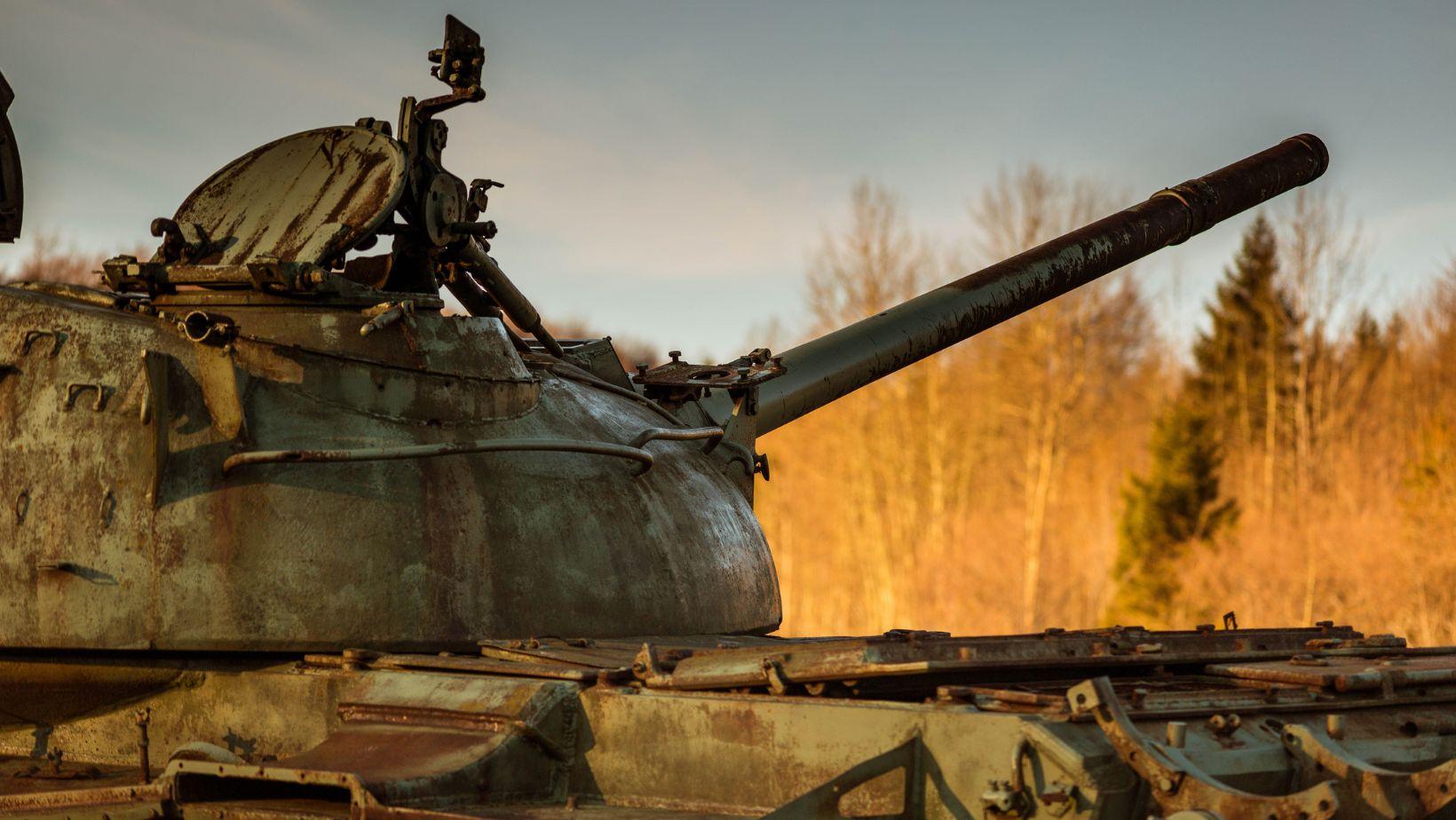
You sit down to a war movie expecting spectacle and end up sitting very still for two hours instead. That pull isn’t new, and it isn’t only you. The first Oscar for Best Picture, handed out in 1929, went to Wings, a silent World War I picture directed by William Wellman, who had flown combat missions in France himself. Audiences have responded to that kind of first-hand truth ever since.
The Grandeur Is Only Half the Story
For war movies, scale is what sells the ticket. Thousands of extras, a horizon thick with smoke, and a camera that refused to cut away will pull you in every time. Yet spectacle fades fast, and the films you still think about years later share the same quieter details:
Then there is the acting, which carries everything the production design cannot. It demands physical transformation, dialect training, and weeks of research into someone who genuinely lived and died, which is why the genre hands out so many awards.
If you want that kind for work, coaching is usually where the gap closes. You need real coaching from experts like NY-based actor coach Martin Bentsen to prepare for the serious physical and mental demands of these war movies. He works on the part that actually stalls careers: getting seen, signing with an agent, and turning auditions into booked speaking roles instead of another year of unpaid indies.
Movies That Got It Right
Here are some of the best movies to watch. Each one earns the title differently, and each rewards a second viewing where you watch only the lead.
Come and See (1985)
Elem Klimov wrote the script with Ales Adamovich, a Belarusian who had fought as a teenage partisan and then spent years recording interviews with people who survived the village burnings. Those testimonies are the film’s actual source, which is why the massacre at its center follows the documented pattern of German reprisals in Belarus, including the destruction of Khatyn in 1943. Klimov also shot in sequence, so the exhaustion on 14-year-old Aleksei Krachenko’s face accumulates in real time. Start here if you want to understand the craft rather than simply picture it.
Das Boot (1981)
Wolfgang Petersen created the film around men who had served aboard the real submarine. Heinrich Lehmann-Willenbrock, who commanded U-96 during the war, advised the production directly, and Lothar-Gunther Buchheim, the war correspondent who sailed with him on the 1941 patrol, handed over the photographs he took on board.
Since no working Type VIIC U-boat existed by the late 1970s, the production worked from original blueprints and had full-size replicas designed to exact dimensions. The one real departure is the ending, as U-96 came home safely from that patrol; it’s quite the same as in the Lord of the Flies Adaptations. Jürgen Prochnow plays the captain as weary and disillusioned, which is exactly how surviving crewmen described their own commanders.
Downfall (2004)
Bernd Eichinger wrote the screenplay based on Joachim Fest’s history of the bunker and the memoir of Traudl Junge, Hitler’s own secretary. He didn’t stop there and drew on further eyewitness accounts from Albert Speer, Gerhard Boldt and the SS doctor Ernst-Gunther Schenck.
The bunker was rebuilt as a replica, and the conversations inside it were reproduced from testimony. Bruno Ganz prepared for four months, studying the Mannerheim tape and observing Parkinson’s patients to build the tremor. Watch it once for the history, then again for what Ganz does with it.
Endnote
All three of these movies treat the historical record as an obligation, so you end up with a clearer picture of what actually happened. Each is also carried by an actor who did the research instead of leaning on instinct, which leaves you with a working definition of serious screen performance. Watch them closely, and you will learn as much about the craft as about the war.