
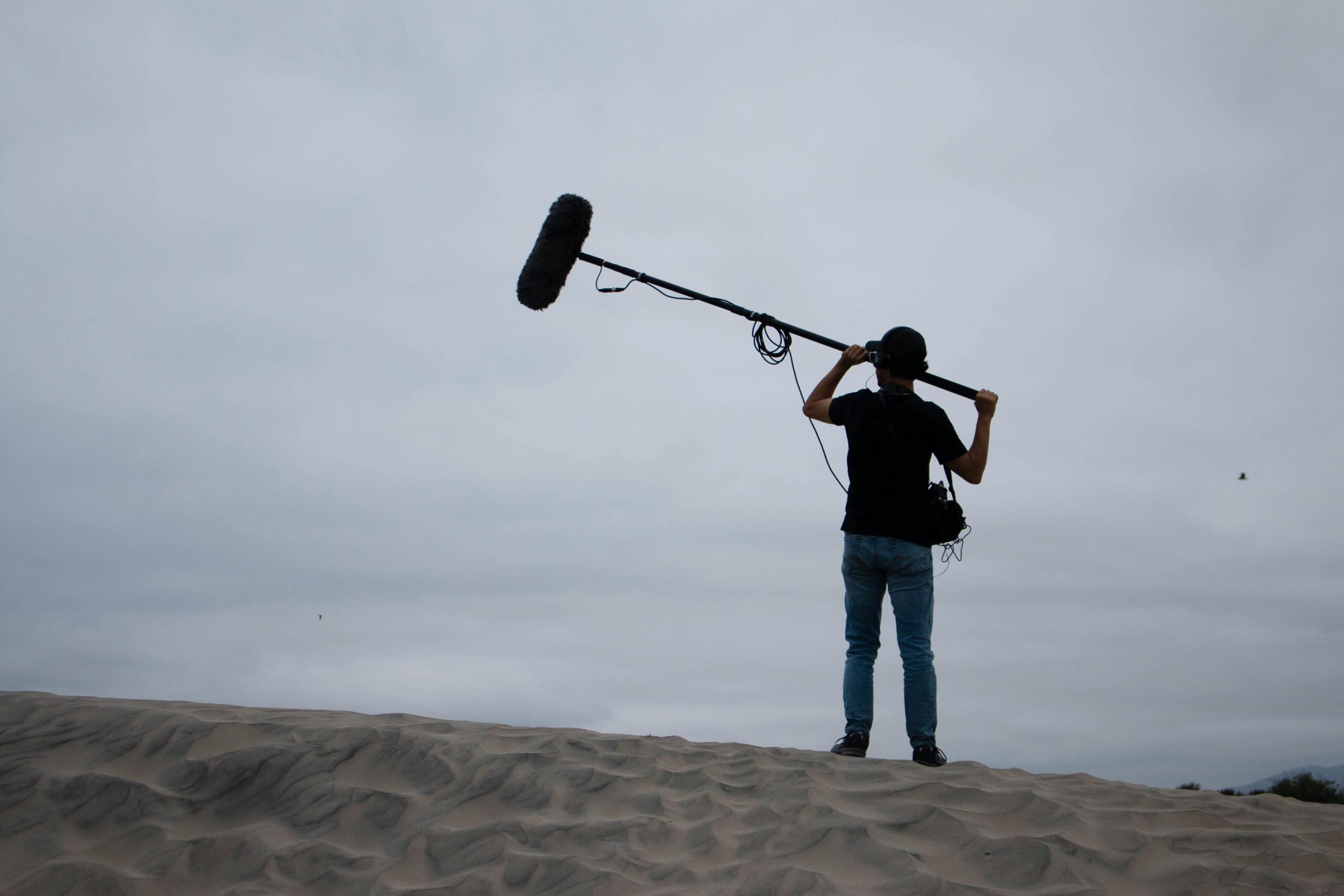
Boom sound effects are deep low frequency audio recordings used to create impact, tension, and scale in modern media production. These sounds are commonly heard in film trailers, action scenes, video games, cinematic transitions, and dramatic visual sequences. Unlike standard sound effects that focus on smaller environmental details, boom recordings are designed to add weight and intensity to important moments inside a scene. Editors and sound designers use them to support explosions, large object movement, distant impacts, collapsing structures, and suspense driven sequences that require stronger low frequency presence.
What makes boom recordings different
Boom recordings are usually built around deep bass frequencies combined with additional textures such as distortion, environmental resonance, mechanical noise, or cinematic ambience. Some recordings are short and aggressive, while others continue for several seconds to create a more sustained effect. The purpose of these sounds is not only to increase volume but also to create a physical sense of movement and scale that audiences can feel during playback.
Modern sound libraries often include several categories of boom recordings. Cinematic booms are designed for trailers and dramatic visual transitions. Industrial booms contain metallic resonance and machinery movement suitable for factory environments or science fiction settings. Atmospheric booms are commonly used in suspense scenes, cinematic reveals, title sequences, and large scale action editing where deeper low frequency impact helps strengthen transitions and visual intensity.
How boom sounds are used in film
Film editors regularly rely on boom sound effects during transitions, title reveals, explosions, and large cinematic moments. These recordings help scenes feel larger and more immersive without depending entirely on musical scoring. Deep bass movement can also direct audience attention toward important visual actions during editing.
Action productions often layer several boom recordings together to strengthen destruction scenes or large environmental movements. Science fiction films frequently combine cinematic booms with electronic textures and distant mechanical resonance to create futuristic atmospheres. Suspense productions may use slower low frequency movement to increase anticipation before a dramatic reveal.
Careful sound balancing is important during editing because excessive bass can reduce dialogue clarity or overwhelm other sound layers. Editors often use equalization, compression, and reverb processing to fit boom recordings naturally into the final audio environment.
Boom sounds in video games
Game developers use low frequency impact recordings because interactive environments depend heavily on immersive sound design. Combat scenes, explosions, environmental destruction, and cinematic cutscenes often include deep bass impacts to increase realism and movement inside gameplay.
Open world games may use restrained low frequency impacts during large environmental events such as collapsing bridges, underground movement, or weather effects. Horror games may combine slow bass movement with environmental ambience to create discomfort and tension during exploration sequences.
Because games can contain long periods of environmental interaction, sound designers process impact recordings carefully so they remain effective without becoming repetitive or overwhelming during extended gameplay sessions.
Layering and editing techniques
Professional sound design rarely depends on a single audio recording. Most cinematic scenes contain several layers working together to create depth and realism. Editors may begin with a deep bass layer and then add tonal ambience, mechanical textures, environmental resonance, or distant low frequency movement underneath.
Low frequency cinematic impacts are often layered with softer atmospheric recordings to prevent scenes from feeling empty after visual transitions. Some productions also combine low frequency movement with horror sound effects during suspense sequences to support psychological tension without relying entirely on loud audio cues.
Additional processing techniques such as stereo widening, distortion, saturation, and transient shaping are commonly used to control the character of a boom recording. These adjustments help sound designers match recordings to specific environments and visual scenes more accurately.
Choosing high quality boom recordings
Professional editors generally prefer high resolution WAV files because they preserve low frequency detail during processing and mastering. Organized metadata systems are also important because they help editors locate recordings according to duration, intensity, environment type, or tonal style.
Modern sound libraries usually provide cinematic booms, industrial impacts, environmental resonance, and hybrid bass textures organized into searchable categories. Clear organization improves workflow efficiency during larger productions involving multiple editors or fast editing schedules.
Sound quality is especially important with low frequency recordings because distorted bass or poorly balanced impacts can reduce overall clarity during final mixing. Clean recordings provide more flexibility during equalization and layering.
Conclusion
Boom sound effects remain an important part of modern sound design across film, trailers, games, podcasts, and digital media production. Their ability to create scale, tension, and cinematic impact makes them useful during action scenes, dramatic transitions, suspense sequences, and environmental movement. Different boom styles support different production needs, from industrial science fiction environments to restrained cinematic storytelling. When combined with careful layering and controlled editing techniques, these recordings help create more immersive and realistic audio experiences for modern audiences.